Screw-Top vs Slip-Lid Aluminum Tins: Which Seal Suits Your Product
Screw-top aluminum tins use threaded lids for a secure, resealable closure, ideal for liquids, thin salves, and products needing airtightness. Slip-lid tins rely on friction-fit lids, better for solid balms, candles, and dry goods where quick access matters. Choose based on product viscosity, filling method, and consumer use.
What is the difference between a screw-top and a slip-lid aluminum tin?
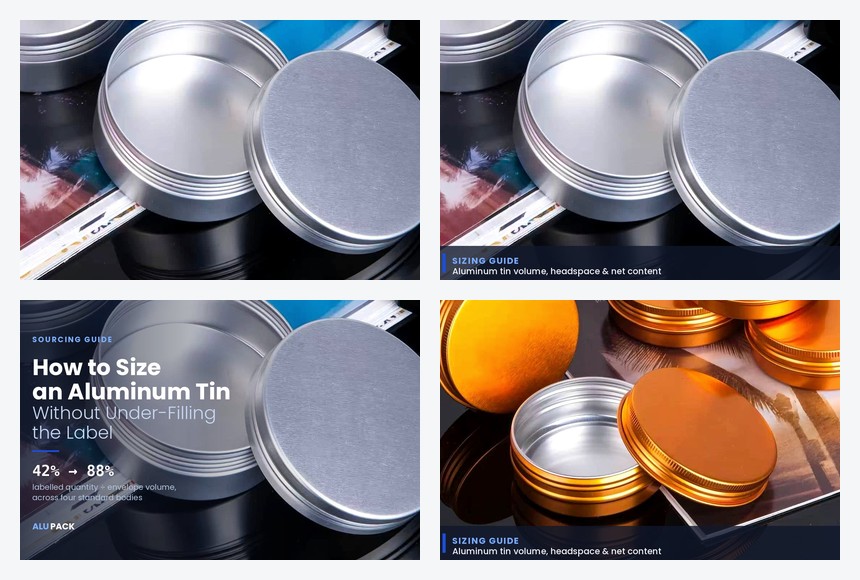
A screw-top aluminum tin has a lid with internal threads that mate with external threads on the container body, creating a mechanical lock. A slip-lid tin, often called a friction-fit tin, relies on the lid's skirt snapping over a bead on the tin's rim, holding by interference fit. The seal type determines how the tin performs in transit, on the shelf, and in the consumer's hands.
How does product viscosity influence your seal choice?
Viscosity dictates whether a screw-top or slip-lid is suitable. For low-viscosity products like oils, liquid salves, or alcohol-based perfumes, a screw-top aluminum tin is essential because the threads create a continuous seal that resists leaking. Slip-lid tins, even with tight tolerances, can weep under pressure or temperature fluctuations. For solid or semi-solid products such as lip balm, salve, or candle wax, a slip-lid tin often suffices because the product itself doesn't flow. However, if the salve softens in summer heat, a screw-top may still be safer.
Which seal type is easier to fill on a production line?
Slip-lid tins are generally faster to fill and close. The lid can be pressed on manually or with a simple pneumatic press, and no threading alignment is needed. Screw-top tins require a capping station that aligns and torques the lid, which can slow line speeds and add equipment cost. If you're filling thousands of units per hour, slip-lid tins reduce labor and machinery complexity. For smaller batches, the difference is less pronounced, but screw-top tins may still require more operator attention to avoid cross-threading.
How do screw-top and slip-lid tins compare for leak resistance?
Screw-top tins outperform slip-lid tins in leak resistance. The threaded closure compresses a liner (if present) and creates a tortuous path that resists liquid escape. Slip-lid tins rely on the friction between lid and body; a drop or pressure change can dislodge the lid. If your product is prone to leaking—such as a liquid cosmetic or a food oil—specify a screw-top aluminum tin with a compatible liner. For dry goods or solid balms, slip-lid tins are usually adequate.
What are the tooling and cost implications of each seal type?
Tooling for slip-lid tins is simpler: the lid and body are formed with a straight skirt and a matching bead, often using the same die set. Screw-top tins require thread-forming tooling, which is more complex and costly. However, many standard screw-top sizes exist, so custom tooling may not be needed if you choose a stock size. For custom aluminum tins, expect higher upfront tooling costs for screw-top designs. Slip-lid tins can also be produced with tighter tolerances to improve seal, but that increases reject rates and cost.
How does the seal type affect the consumer experience?
Screw-top tins are perceived as more premium and secure, especially for cosmetic tin packaging. They are easier to reseal and less likely to pop open in a bag. Slip-lid tins offer quick access, which is preferred for products used frequently, like lip balm tins or salve tins. However, if the fit is too loose, the lid may come off accidentally; too tight, and it's hard to open. The tactile experience matters for brand perception.
Which seal type is better for candle tins?
Candle tins typically use slip-lid closures because the wax is solid at room temperature and the tin is not intended to be reopened frequently. A slip-lid tin is cost-effective and provides adequate protection. However, if the candle contains fragrance oils that can migrate, a screw-top tin with a liner may prevent leakage during shipping. For bulk metal tins, slip-lid is the standard for candles.
Can you use a screw-top aluminum tin for lip balm?
Yes, screw-top aluminum tins are used for lip balm, especially in larger sizes or when the balm is soft. The screw-top provides a secure seal that prevents the balm from drying out or leaking. However, many lip balm brands prefer slip-lid tins for the classic push-on feel. The choice depends on your formula and target market. If your lip balm contains volatile ingredients, a screw-top is safer.
What about aluminum caps for glass bottles or jars?
While this article focuses on aluminum tins, the same principles apply to aluminum caps for glass bottles or jars. A metal screw lid for jars provides a secure, resealable closure, while a slip-lid (often called a lug cap) is used for vacuum sealing. For cosmetic tin packaging, aluminum caps wholesale are available in standard thread sizes. If you need custom aluminum bottle caps, consider the thread standard and liner compatibility.
How to specify the right seal for your product
Start by defining your product's viscosity, filling method, and distribution conditions. Test samples with your actual product: fill, close, and simulate shipping (vibration, temperature cycling). Check for leakage and lid retention. Ask your supplier about thread standards, liner options, and tolerance ranges. For custom aluminum tins, request a drawing that specifies thread pitch, lid skirt height, and fit. If you're unsure, order samples of both seal types and run a pilot. Your supplier can advise on typical lead times and minimums, but always confirm in writing.
To discuss your specific application, send us a drawing or request a sample of our aluminum tins.
Frequently asked questions
Can I use a slip-lid tin for a liquid product?
Slip-lid tins are not recommended for low-viscosity liquids because the friction fit may not prevent leakage under pressure or temperature changes. If your product is a thin oil or liquid, choose a screw-top aluminum tin with a compatible liner. For thick salves or solid balms, a slip-lid tin can work if tolerances are tight.
What is the typical lead time for custom screw-top aluminum tins?
Lead times vary by supplier and order size, but custom screw-top tins often require more time due to thread tooling. Many factories quote 4-6 weeks for production after sample approval, but this can extend if tooling is needed. Always ask your supplier to confirm lead time in writing, as it depends on their capacity and your order quantity.
Do screw-top tins need a liner?
A liner improves seal performance, especially for liquids or products with volatile ingredients. Without a liner, metal-to-metal contact may not provide an airtight seal. Common liners include PE foam, EPE, or induction seals. Your product's compatibility with the liner material should be tested.
Are slip-lid tins cheaper than screw-top tins?
Generally, slip-lid tins are less expensive because tooling is simpler and assembly is faster. However, if you need tighter tolerances for a better seal, the cost difference narrows. For bulk metal tins, slip-lid styles are often more economical. Request quotes for both to compare total landed cost.
Can I get custom aluminum tins with a screw-top in small quantities?
Many suppliers offer stock screw-top sizes with no custom tooling, allowing smaller minimums. For custom sizes or threads, minimum order quantities (MOQs) may be higher. Ask your supplier about stock options and MOQs for custom aluminum tins.