Screw-Top vs Slip-Lid Aluminum Tins: Which Seal Fits?
Choose a slip-lid tin for low-moisture, low-oxygen products like balms and solid perfumes where easy access matters; choose a screw-top for liquids, foods, or products needing a tighter seal and longer shelf life. Slip lids are cheaper and faster to fill; screw tops offer better protection but cost more and slow down filling.
What are the main differences between screw-top and slip-lid aluminum tins?
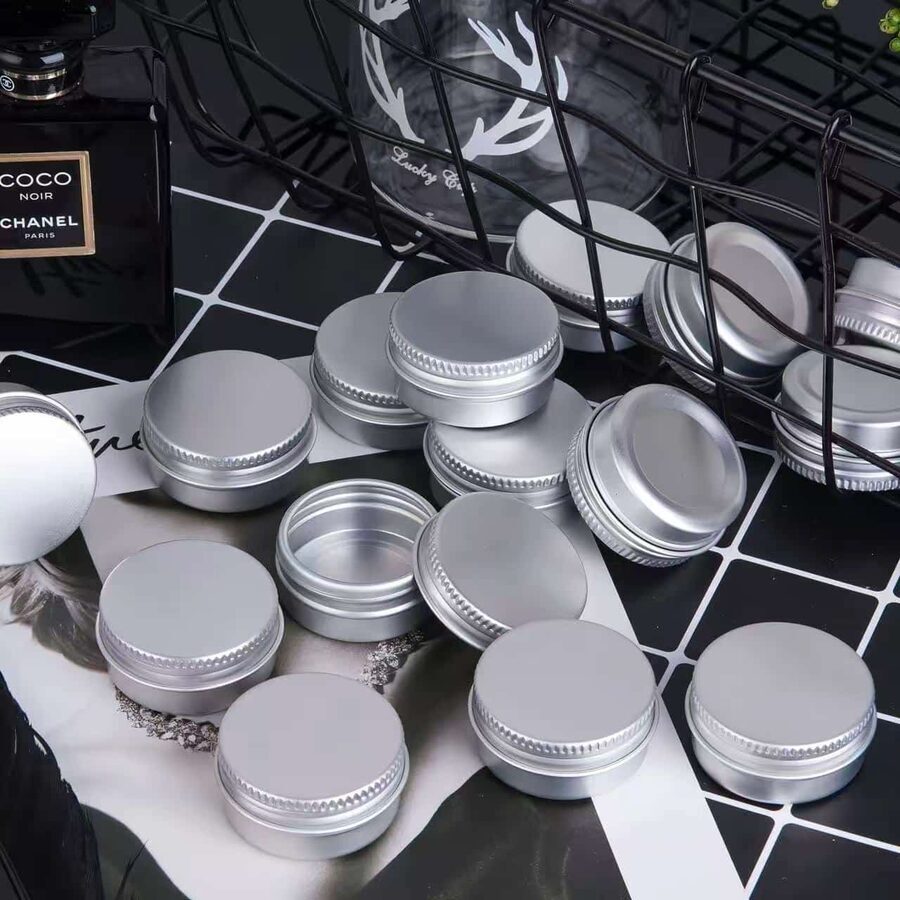
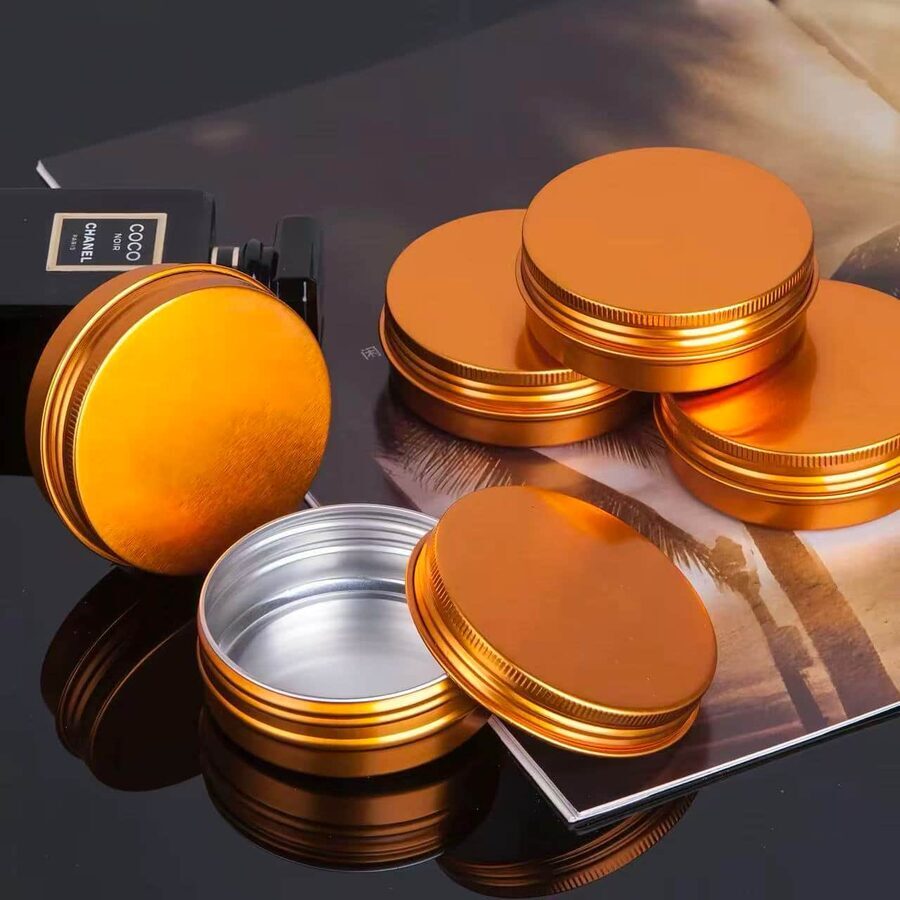
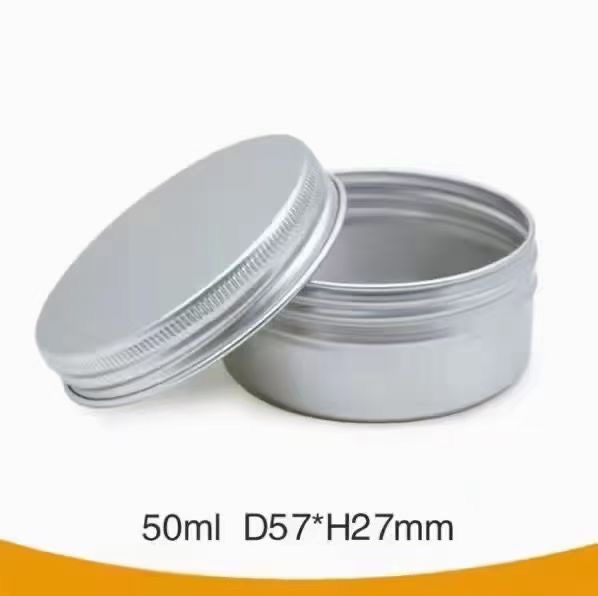
Screw-top aluminum tins have a threaded neck and a matching cap that twists on, creating a mechanical seal. Slip-lid tins (also called friction-fit or push-on) have a lid that presses onto a rim, held by friction. The choice affects product protection, filling speed, cost, and user experience.
For a metal tin container, the closure is critical: it determines how well your product is protected from air, moisture, and contamination. Screw tops generally offer a tighter, more secure seal, making them suitable for liquids, foods, and products with volatile ingredients. Slip lids are simpler and cheaper, but they are not airtight—they are fine for anhydrous products like balms, salves, and solid perfumes where exposure to air is less harmful.
Which products suit slip-lid tins?
Slip-lid tins are a classic choice for lip balm tins, salve tins, and cosmetic tin packaging for solid products. These products are typically water-free and have low oxygen sensitivity, so a friction-fit lid is adequate. The lid is easy to remove and replace, which is convenient for frequent use.
Slip lids also allow faster filling: on a standard line, you can fill and press the lid on without the need for capping torque, which speeds up production. However, slip lids are not recommended for liquids, powders that can spill, or products that need to be kept completely airtight.
Which products are better in screw-top tins?
Screw-top tins are better for products that require a tighter seal, such as liquid lotions, serums, edible oils, or any product with a strong fragrance that could evaporate. The threaded closure provides a more secure seal that resists leakage and reduces oxygen ingress, extending shelf life.
If you are packaging a product that will be opened and closed repeatedly, a screw top is more reliable because the lid stays in place better than a slip lid. Screw tops are also preferred for custom aluminum tin designs that need a premium feel and a secure closure.
What are the cost and tooling differences?
Typically, slip-lid tins are 20-30% cheaper than screw-top tins of similar size because they require less material and simpler tooling. Slip lids are stamped from a single piece of aluminum, while screw caps require forming threads, which adds to the cost.
Tooling for slip-lid tins is also less expensive. For a custom aluminum tin, new tooling for a slip-lid tin might cost $1,000-$3,000, while screw-top tooling can be $4,000-$10,000 because of the threading mechanism. The tooling is owned by the buyer, so you can transfer it to another factory if needed, but you must verify that the factory can run it.
When ordering aluminum tins wholesale, the per-unit price difference can be significant. For example, a 30ml slip-lid tin might cost $0.30-$0.50, while a screw-top of similar volume might be $0.40-$0.65. These numbers vary by factory and quantity, so always request quotes for both options.
How do filling and capping differ on a production line?
Slip-lid tins are easier to fill because they have a wide opening, and the lid can be pressed on quickly without additional equipment. You can use a simple pneumatic press or even manual labor for small runs. This reduces capital expenditure and changeover time.
Screw-top tins require a capping machine that applies the correct torque to ensure a consistent seal. If the torque is too low, the cap may leak; too high, it may strip the threads. This adds complexity and slows down the line. For a small brand starting out, slip lids are often more practical.
What about sealing performance and shelf life?
The seal quality directly impacts shelf life. Slip-lid tins are not hermetic; they allow some air exchange, which can cause oxidation in products with oils or butters. For a product like a lip balm that is used up quickly, this is usually fine. But for a product intended to last a year or more, a screw-top is safer.
Screw-top tins with an optional inner seal (such as a foil induction liner) can provide an even higher barrier. If you need a hermetic seal for a food product or a supplement, ask your supplier about adding a liner. The liner adds cost but can be necessary for regulatory compliance.
Always test your product in the chosen tin under real storage conditions—temperature, humidity, and drop tests—to verify seal performance. Don't rely solely on the closure type; your product's viscosity, headspace, and storage orientation also matter.
What are the standard sizes and tolerances?
Slip-lid tins are common in small sizes: 5ml, 10ml, 15ml, 30ml, and up to 250ml. Screw-top tins are available in similar ranges, but the diameter and height vary by design. For a specific capacity, you must consider the internal volume, not just the outer dimensions.
Wall thickness for aluminum tins typically ranges from 0.2mm to 0.5mm. Thinner walls are cheaper but less rigid; thicker walls are stronger and more premium. Tolerances for diameter are usually ±0.2mm, and for height ±0.3mm. These can vary by factory, so always confirm with your supplier.
For a custom aluminum tin, you can specify the exact dimensions, but note that deep-drawing limitations apply. For example, the height-to-diameter ratio for a slip-lid tin is usually limited to about 1:1 for a single draw; deeper tins require multiple draws, increasing cost.
How do these closures affect the user experience?
Slip lids are easy to open, which is a plus for people with arthritis or for products used frequently. However, if the lid is too tight, it can be frustrating; if too loose, it may fall off in a bag. Screw tops offer a reassuring click when closed and are less likely to open accidentally.
For a premium feel, many brands prefer screw tops because they feel more secure and are easier to align with a logo. Slip lids can also be designed with a recess for a label, but the closure is less distinctive.
Consider your target market: if you are selling a high-end skincare line, a screw-top might convey quality; if you are selling a fun, colorful lip balm, a slip-lid is fine.
Which is more sustainable and cost-effective?
Both closures are recyclable as aluminum, but slip lids use less material, making them lighter and slightly more eco-friendly. Screw tops require more aluminum and sometimes plastic liners, which complicates recycling. If sustainability is a brand value, slip lids have an edge.
In terms of cost-effectiveness, slip lids are cheaper per unit and require less tooling, making them ideal for startups and lower-volume runs. Screw tops are a better investment if you plan to scale and need a premium, secure package.
For bulk metal tins, the price difference narrows as volume increases, but screw tops still cost more. Weigh the long-term benefits of a better seal against the upfront savings.
What should you ask your supplier before ordering?
When requesting quotes, specify the exact capacity, dimensions, wall thickness, and closure type. Ask for samples and test them with your product. Also ask about tooling costs, lead times, and MOQs. For custom aluminum bottle caps or metal screw lids for jars, verify that the threads match your container.
If you are considering aluminum caps for glass bottles, note that those are a different product—this guide focuses on all-aluminum tins. For a metal tin container, the closure is integral.
Finally, ask for a drawing or sample to ensure the fit and finish meet your expectations. Most factories are happy to provide samples before you commit to tooling.
Frequently asked questions
Are slip-lid aluminum tins airtight?
No, slip-lid tins are not airtight. They rely on friction to hold the lid, which allows some air exchange. They are suitable for products that are not sensitive to oxygen or moisture, like balms and solid perfumes. For airtight requirements, choose a screw-top tin with an optional inner seal.
What is the typical cost difference between screw-top and slip-lid tins?
Slip-lid tins are generally 20-30% cheaper than screw-top tins of similar size because they use less material and have simpler tooling. Tooling for a slip-lid tin might cost $1,000-$3,000, while screw-top tooling can be $4,000-$10,000. Per-unit prices vary by quantity and factory.
Can I use a screw-top aluminum tin for liquid products?
Yes, screw-top aluminum tins are suitable for liquid products as they provide a tighter, more secure seal. However, you must ensure the cap is properly torqued during capping and consider adding an inner seal (like a foil liner) for extra protection against leakage and contamination.
How do I choose between a slip-lid and screw-top for my cosmetic product?
Consider your product's sensitivity to air and moisture, the desired shelf life, and the user experience. For anhydrous products like lip balms and salves that are used quickly, slip-lid tins are cost-effective and convenient. For liquids, creams with water content, or products needing long-term protection, screw-top tins are better.
What sizes are available for screw-top aluminum tins?
Screw-top aluminum tins are available in a range of sizes, from small 5ml containers up to 250ml or larger, depending on the manufacturer. You can specify custom dimensions, but note that deep-drawing limitations affect the height-to-diameter ratio. Always confirm available sizes with your supplier.